อีเมล: [email protected]
E-mail: [email protected]Address: เลขที่. 132 Xingye Road, Fengqiao Town, Zhuji City, Zhejiang
whatsapp: +86-13958007768
Whatsapp: +86-13655857582




ต้องการความช่วยเหลือ
+86-13958007768
อีเมล: [email protected]
E-mail: [email protected]
Address: เลขที่. 132 Xingye Road, Fengqiao Town, Zhuji City, Zhejiang
whatsapp: +86-13958007768
Whatsapp: +86-13655857582
ทีมงานของเราภูมิใจที่จะเสนอการรับประกันเวลาและรับประกันผลิตภัณฑ์เพื่อความพึงพอใจของลูกค้า
อ่านเพิ่มเติมข่าว
 บ้าน / ข่าว / ข่าวอุตสาหกรรม / ปกป้องการเปลี่ยนแปลงของของไหลและอายุการใช้งานของระบบด้วยวาล์วจำกัดแรงดันขั้นสูง
  2026.06.18
 ข่าวอุตสาหกรรม
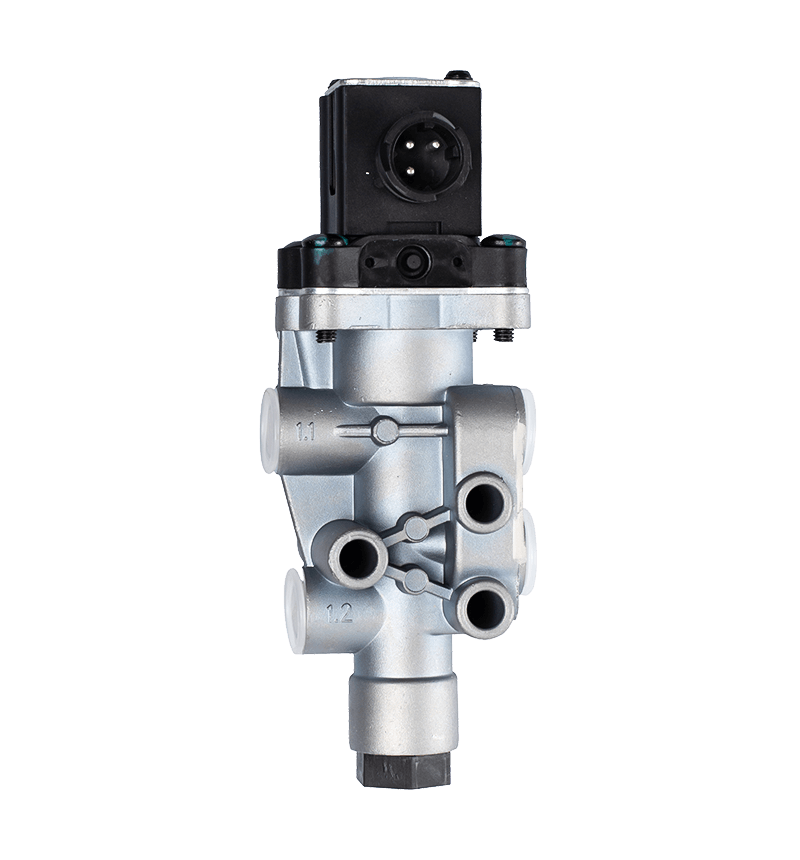
บูรณาการที่มีความแม่นยำสูง วาล์วจำกัดแรงดัน โครงสร้างพื้นฐานช่วยให้วิศวกรระบบของไหลได้รับโปรไฟล์ความปลอดภัยที่ชัดเจนและสั่งการได้เอง ซึ่งจะจับแรงดันไฮดรอลิกหรือนิวแมติกดาวน์สตรีมภายในขอบเขตการปฏิบัติงานที่เข้มงวดและสอบเทียบล่วงหน้าแล้ว ด้วยการเปลี่ยนพลังงานส่วนเกินออกจากอาร์เรย์ท่อประปาดาวน์สตรีมที่มีช่องโหว่ โหนดเชิงกลล้วนๆ เหล่านี้จะป้องกันการระเบิดของท่อที่เกิดจากภัยพิบัติ การเสื่อมสภาพของอุปกรณ์ และความล้มเหลวในการปิดผนึกทั่วทั้งระบบจ่ายน้ำของเทศบาล โรงงานแปรรูปทางอุตสาหกรรม และท่อประปาเชิงพาณิชย์ การกำหนดค่าโครงสร้างแบบครบวงจรนี้สร้างซองป้องกันความล้มเหลวที่เชื่อถือได้ซึ่งรับประกันความต่อเนื่อง การควบคุมระบบและความเสถียรในการปฏิบัติงานข้ามพารามิเตอร์แรงดันที่ขยายได้ถึง 1,600 kPa ซึ่งช่วยบรรเทาภัยคุกคามจากแรงดันระเบิดที่เพิ่มขึ้นอย่างรวดเร็วและอายุการใช้งานของส่วนประกอบที่มีราคาแพงได้โดยตรง โดยไม่ต้องใช้สัญญาณไฟจากภายนอก
ในเครือข่ายการส่งผ่านของไหลที่ซับซ้อน การจัดการคลื่นกระแทกชั่วคราวจำเป็นต้องมีความสมดุลอย่างระมัดระวังระหว่างความเร็วปฏิกิริยาและความสมบูรณ์ของการปิดผนึกของโครงสร้าง ระบบยังคงมีความเสี่ยงอยู่ตลอดเวลาต่อการเปลี่ยนแปลงความเร็วอย่างกะทันหันที่เกิดจากการปิดวาล์วอย่างรวดเร็วหรือการทำงานของปั๊ม ซึ่งนำไปสู่ปรากฏการณ์ของเหลวที่รุนแรงที่เรียกว่าค้อนน้ำ หากคลื่นความดันนี้พบกับผนังท่อที่แข็งแบบเดิมๆ โดยไม่มีกลไกหน่วงแบบอินไลน์ แรงกระแทกแบบจลน์ที่เกิดขึ้นสามารถแตกร้าวที่จุดเชื่อมต่อเหล็กหล่อ ใบพัดทองแดงบิดเบี้ยว และลอกบรรจุภัณฑ์วาล์วอุตสาหกรรมได้ในทันที การเลือกใช้ตัวควบคุมแรงดันทางกลที่ได้รับการออกแบบทางวิศวกรรมอย่างแม่นยำ เหนือระบบควบคุมแรงดันแบบแมนวลที่มีความทนทานต่ำ หรือลูปควบคุมอิเล็กทรอนิกส์ที่ซับซ้อน จะหลีกเลี่ยงข้อผิดพลาดของมนุษย์และความเสี่ยงความล่าช้าของซอฟต์แวร์ ทำให้การควบคุมแรงดันถูกแปลเป็นภาษาท้องถิ่น ทันที และป้องกันกระสุนในเชิงโครงสร้าง
เวลาตอบสนองทางกลและคุณลักษณะอายุการใช้งานของวาล์วจำกัดแรงดันถูกกำหนดโดยตรงจากปฏิสัมพันธ์ภายในระหว่างแรงของไหลที่เข้ามาและชุดสปริงที่อยู่ตรงข้ามกัน ฟิสิกส์โครงสร้างพื้นฐานแบ่งโหนดความปลอดภัยเหล่านี้ออกเป็นระดับปฏิบัติการเฉพาะ
โครงสร้างที่ออกฤทธิ์โดยตรงจะวางสปริงขดสแตนเลสแรงดึงสูงไว้กับลูกสูบที่กำลังเคลื่อนที่หรือซีลไดอะแฟรมแบบอีลาสโตเมอร์ เมื่อแรงดันของของไหลเพิ่มขึ้นภายในช่องทางเข้า แรงดันนั้นจะกระทำต่อพื้นที่ผิวของหน้าลูกสูบ เมื่อแรงนี้เกินความต้านทานแรงอัดเชิงกลของสปริง ซึ่งปรับเทียบด้วยสกรูปรับภายนอก ลูกสูบจะยกออกจากบ่าซีล This creates an immediate fluid pathway that vents excess volume to an exhaust port or bypass circuit. การกำหนดค่านี้มีคุณค่าอย่างมากสำหรับเวลาตอบสนองในทันที ซึ่งโดยทั่วไปจะดำเนินการจังหวะทางกลเต็มรูปแบบภายใน 15 ถึง 25 มิลลิวินาที ของการละเมิดเกณฑ์ชั่วคราว
สำหรับเครือข่ายเทศบาลที่มีการไหลสูงสำหรับงานหนัก ซึ่งสปริงที่ออกฤทธิ์โดยตรงจะต้องมีขนาดทางกายภาพที่ใหญ่โตและใช้งานไม่ได้เพื่อเอาชนะแรงของของไหล วิศวกรจะใช้รูปแบบที่ควบคุมโดยนักบิน การออกแบบนี้กำหนดเส้นทางกระแสควบคุมทุติยภูมิผ่านวาล์วนำร่องขนาดเล็กที่มีความไวสูงเหนือห้องไดอะแฟรมหลักโดยตรง เมื่อแรงดันในท่อผ่านพารามิเตอร์ด้านความปลอดภัย วาล์วนำร่องขนาดเล็กจะระบายแรงดันออกจากด้านบนของไดอะแฟรมหลัก สิ่งนี้จะสร้างความแตกต่างของแรงดันภายในขนาดใหญ่ที่บังคับให้ปลั๊กวาล์วหลักเปิดโดยใช้พลังงานของเหลวของกระแสหลักเอง การออกแบบนี้ช่วยให้สามารถควบคุมโครงสร้างการไหลขนาดใหญ่และมีปริมาตรสูงได้อย่างแม่นยำ ในขณะที่ทำงานภายในโครงสร้างตัวเครื่องขนาดกะทัดรัด
การเลือกกรอบงานการจัดการแรงดันที่เหมาะสมที่สุดจำเป็นต้องมีการประเมินความเร็วของปฏิกิริยาเทียบกับความจุปริมาตรปริมาตรการไหล ความถี่ในการบำรุงรักษา และกราฟแทนที่แรงดัน ตารางเปรียบเทียบด้านล่างสรุปความแปรผันทางกลที่แตกต่างกันระหว่างการกำหนดค่าการป้องกันอินไลน์หลัก
| ตัวชี้วัดคุณภาพทางวิศวกรรม | วาล์วจำกัดการออกฤทธิ์โดยตรง | วาล์วควบคุมที่ควบคุมโดยนักบิน | วาล์วระบายแรงดันมาตรฐาน |
|---|---|---|---|
| ความเร็วตอบสนองทางกล | ทันที (15 - 25 มิลลิวินาที) | ปานกลาง (ล่าช้าผ่านการกำหนดเส้นทางนำร่อง) | Rapid (กลไกป๊อปแอ็คชั่น) |
| โปรไฟล์การจัดการปริมาณการไหล | ต่ำถึงปานกลาง (จำกัดโดยสปริง) | สูงสุด (ไม่จำกัดขนาดเส้น) | สูง (ระบายแรงดันเกินโดยเฉพาะ) |
| โปรไฟล์การควบคุมความดัน | ตามสัดส่วน (แปรผันตามแรงสปริง) | Flat-Line (รักษา Setpoint ไว้อย่างแน่นอน) | ไบนารี่ (ปิดเต็มที่หรือเปิดเต็มที่) |
| ดัชนีช่องโหว่ Cavitation | ต่ำ (การแยกโฟลว์แบบแปลเป็นภาษาท้องถิ่น) | สูง (มีแนวโน้มที่จะเกิดช่องว่างไอความดันต่ำ) | ปานกลาง (ละอองลอยและการระเบิดของช่องระบายอากาศ) |
| เป้าหมายแอปพลิเคชันหลัก | ที่อยู่อาศัยหลัก, เครื่องใช้ไฟฟ้า, เครื่องจักร | การกระจายสินค้าในเขตเทศบาล ทางเข้าโรงกลั่น | ชุดประกอบหม้อต้มน้ำ ถังเก็บแรงดัน |
ข้อมูลทางวิศวกรรมเชิงประจักษ์เน้นย้ำว่าเหตุใดโครงสร้างการจำกัดโดยตรงจึงมีความโดดเด่นในวงจรย่อยสำหรับผู้บริโภคและอุตสาหกรรมที่มีการแปลเป็นภาษาท้องถิ่น แม้ว่าเฟรมเวิร์กที่ดำเนินการโดยนำร่องจะจัดการปริมาณการไหลที่สูงได้อย่างมีประสิทธิภาพ แต่การพึ่งพาช่องนำร่องภายในทำให้เสี่ยงต่อการอุดตันของอนุภาคหากทราย ตะกรันเชื่อม หรือเกล็ดแร่เคลื่อนตัวลงมาในแนว วาล์วที่ออกฤทธิ์โดยตรงช่วยขจัดความเสี่ยงเหล่านี้โดยการใช้ส่วนต่อประสานลูกสูบแบบปิดที่เรียบง่ายซึ่งจะปิดผนึกอนุภาค ทำให้สามารถจัดการแรงดันได้ทันทีในรูปแบบขนาดกะทัดรัด
การทำงานอย่างต่อเนื่องภายในสภาพแวดล้อมของเหลวที่มีแรงดันและปั่นป่วนต้องเลือกโลหะของตัววาล์วและซีลแบบอ่อนภายในที่ทนทานต่อการสึกกร่อนและการกัดกร่อนตลอดอายุการใช้งานหลายทศวรรษ
เนื่องจากวาล์วจำกัดแรงดันทำงานภายใต้แรงสถิตที่รุนแรง ช่างเทคนิคการติดตั้งจึงต้องปฏิบัติตามลำดับการสอบเทียบที่แม่นยำ เพื่อป้องกันเกจปลายน้ำจากแรงดันที่เพิ่มขึ้นกะทันหัน
ในขณะที่วาล์วจำกัดแรงดันทางอุตสาหกรรมได้รับการออกแบบทางวิศวกรรมสำหรับวงจรชีวิตที่ยาวนาน การสัมผัสกับสภาวะการไหลที่มีความผันผวนสูงจะเร่งให้เกิดการแตกร้าวของความเครียดและการเสื่อมสภาพของส่วนประกอบหากไม่มีการจัดการ
ในระบบวงปิดที่ติดตั้งเครื่องทำน้ำอุ่นหรือหม้อต้มน้ำแบบดาวน์สตรีม การขยายตัวของของไหลความร้อนอาจทำให้แรงดันย้อนกลับพุ่งสูงกว่าขีดจำกัดที่ตั้งไว้ของวาล์วอย่างมีนัยสำคัญ Because pressure limiting valves function as unidirectional checks, they cannot vent pressure backward through the inlet port. พลังงานที่ถูกล็อคนี้บังคับให้ไดอะแฟรมอีลาสโตเมอร์ยืดเกินขีดจำกัดการออกแบบ ส่งผลให้เกิดความเมื่อยล้าที่แตกร้าว การออกแบบระบบควรประกอบด้วยส่วนเฉพาะ ถังขยายความร้อนที่ปลายน้ำจากวาล์วจำกัด เพื่อดูดซับปริมาตรที่เพิ่มขึ้นนี้ได้อย่างปลอดภัย
Diaphragm chattering occurs when a valve is oversized relative to the actual system demand. เมื่อข้อจำกัดของการไหลลดลง วาล์วจะพยายามปิดสนิท อย่างไรก็ตาม การปรับแรงกดเล็กน้อยจะยกปลั๊กขึ้นซ้ำๆ ทำให้เกิดวงจรที่รวดเร็วและรุนแรงซึ่งแสดงออกมาเป็นเสียงดังหึ่งๆ This high-frequency oscillation causes fatigue wear along the outer clamp lines of the rubber diaphragm. Engineers can prevent chattering by verifying that continuous system flow rates remain within 25% ถึง 80% ของดัชนีการไหลของวาล์วสูงสุด โดยใช้วาล์วติดตามแบบหลายขั้นตอนสำหรับระบบที่มีรูปแบบการไหลที่กว้าง
 เลขที่. 132 Xingye Road, Fengqiao Town, Zhuji City, Zhejiang
 +86-13958007768 +86-13655857582
Copyright © Zhuji Infia Auto Parts Co., Ltd. All Rights Reserved.